Comprehending the Basics of Firm Info
When reviewing the structure and dynamics of companies, comprehending firm details is critical. A company is a legal entity distinct from its owners, providing them with restricted responsibility and making it possible for easier access to resources via the sale of supplies. This business framework can vary from small, privately-owned firms to huge, publicly-traded entities that go through extensive financial coverage and administration standards. Companies are created under the regulations of each state and have several attributes that differentiate them from partnerships or single proprietorships. They can enter into contracts, obtain properties, be and take legal action against taken legal action against, and are subject to taxes. what are some examples of a business plan pdf of a corporation generally entails filing articles of consolidation, which include the firm's name, the objective of the firm, the number of shares licensed to be issued, and the names and addresses of the incorporators.
Internally, companies are regulated by a board of supervisors chosen by the shareholders. The directors supervise the significant plans and choices of the corporation, including the selection of police officers that manage the everyday operations. These officers, such as the CEO and CFO, are accountable for implementing the board's directives and taking care of the corporation's affairs based on established laws and laws. On the surface, companies need to stick to government and state policies that control their activities, which can include environmental legislations, labor regulations, and safety and securities regulations. Financial openness is mandated for publicly traded firms, requiring them to publish quarterly and yearly reports that give thorough understandings right into their monetary health, operational efficiency, and strategic direction. This degree of scrutiny is meant to preserve and safeguard investors self-confidence in the monetary markets. Comprehending these facets of firm info is essential for any person associated with business world, whether they are policymakers, managers, or financiers.
Recognizing the Framework and Function of Modern Corporations
Companies stand as complicated entities that play an essential duty in the worldwide economic situation, identified by their one-of-a-kind legal standing and detailed business structures. Essentially, a company is a lawful entity that is unique and different from its owners, who are called investors. This separation imbues firms with continuous presence, indicating they remain to run regardless of adjustments in ownership or administration. Among the primary benefits of this arrangement is restricted responsibility for the investors, that are only in danger of shedding their financial investment in the corporation and are not directly responsible for the firm's financial obligations and liabilities. This is a vital aspect that encourages financial investment and drives the growth of corporations.
Inside, companies are controlled by a board of directors elected by the investors. The board's duties include making major policy choices and looking after the general monitoring of the business. They designate execs that manage the everyday operations and apply the board's policies. This hierarchical structure enables corporations to run effectively, manage intricate procedures throughout different regions, and react strategically to market modifications. Additionally, corporations have the ability to elevate significant capital by marketing shares, which can be acquired by institutional and private investors. This access to funds permits corporations to expand considerably, introduce, and gain competitive advantages in their particular markets.
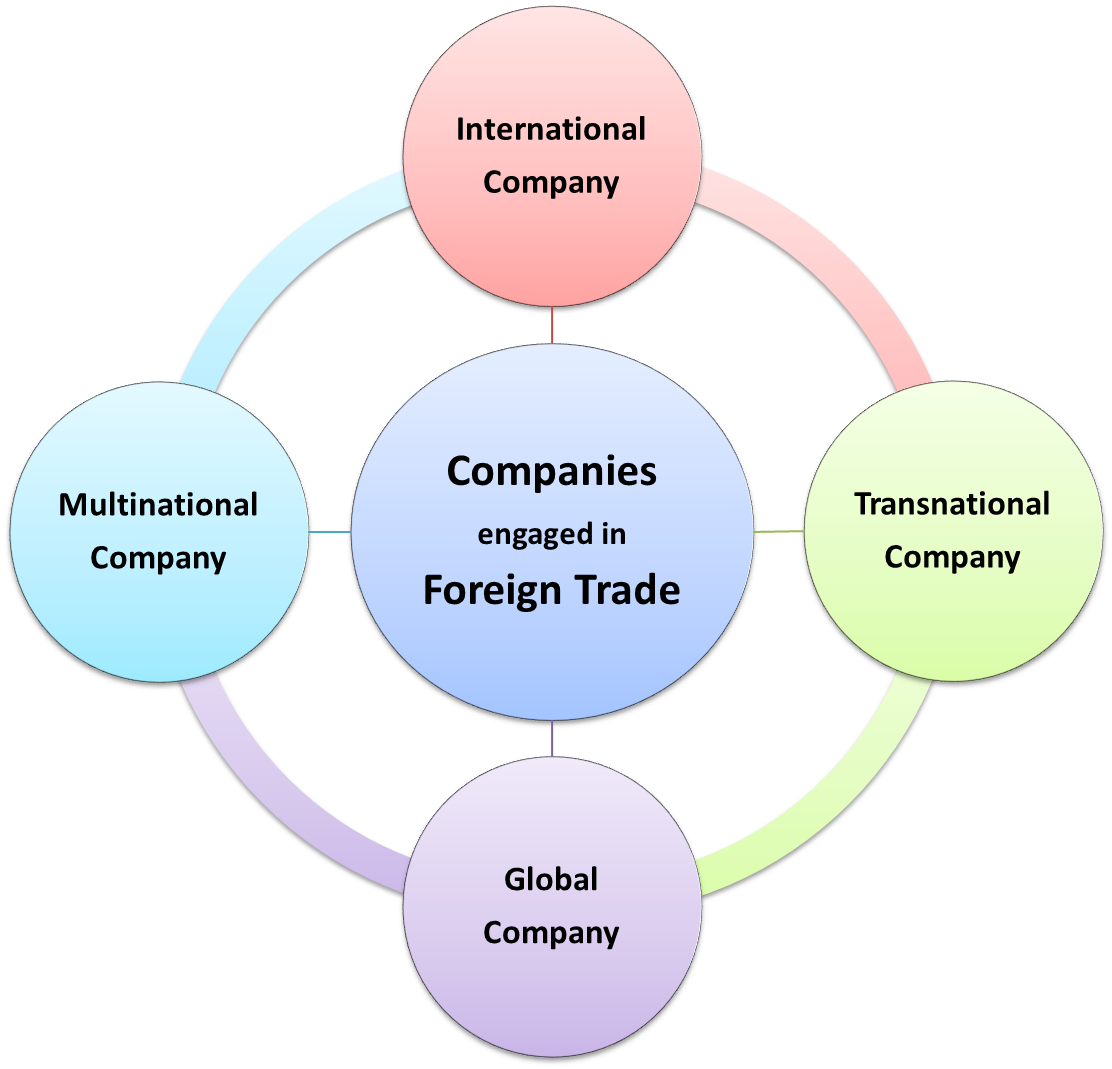
Firms add thoroughly to financial advancement by generating employment, spending in community projects, and leading technical innovations. Their range and financial abilities allow them to take on big projects that smaller sized organizations can not, commonly driving considerable technological and infrastructural development. Nevertheless, the immense power and influence of companies featured considerable duty, and their operations undergo comprehensive legal and moral factors to consider. Governing frameworks at nationwide and worldwide degrees intend to make sure that firms operate in a manner that is lasting and in the general public rate of interest, dealing with concerns from environmental impact to reasonable labor techniques and company governance.
Finally, modern firms are foundational to our economic infrastructure, providing numerous benefits via their functional capacities and financial payments. They additionally call for cautious guideline and oversight to ensure that their activities contribute positively to society and do not lead to disproportionate impacts on the environment, areas, or economic security.
Understanding the Structure and Governance of Modern Firms
The complexities of modern-day firms expand much beyond their organization tasks, diving deeply into the complicated structures of corporate framework and administration that dictate their operations. At the core of every company is its organizational structure, commonly delineated right into 3 crucial tiers: shareholders, board of directors, and monitoring. Shareholders, as the owners of the company, possess power predominantly via voting civil liberties, which they work out to affect significant decisions and choose the board of directors. The board holds the vital obligation of overseeing the firm's governance, ensuring that it follows legal criteria and ethically meets its duties while tactically guiding the company towards growth and productivity. This body is critical in making high-level plan decisions and monitoring the overall direction of the firm, including the option and evaluation of magnates who handle everyday procedures. Administration, led by the chief executive officer, is billed with applying the board's plans and making operational decisions that line up with the corporation's lasting and brief goals. The performance of this governance model rests on a fragile balance of power and duty, cultivating a system of checks and balances designed to avoid any kind of one team from wielding way too much impact. Moreover, the arrival of electronic modern technology and globalization has actually introduced brand-new obstacles and chances in corporate administration, requiring flexible techniques to supervise procedures spread throughout different regions and societies. The evolution of company governance remains to be a vital location of emphasis for businesses aiming to sustain competition and honesty in a quickly transforming globe.
Strategic Operations and Market Influence of Companies
Comprehending the critical operations and market influence of large companies is vital in analyzing their function in the worldwide economic climate. These entities, often spreading across multiple countries, take advantage of their substantial sources to introduce and dominate markets, therefore forming market fads and consumer habits. A corporation like Amazon has not only transformed retail via its ecommerce platform however has actually also ventured into cloud computing, streaming services, and man-made knowledge, expanding its company design while influencing various sectors. This strategic diversification is a typical attribute amongst significant corporations, permitting them to utilize and minimize threats on brand-new chances. The impact these firms possess is obvious in their capability to establish affordable criteria, forcing smaller companies to introduce or perish in their darkness. The causal sequences are huge, impacting supply chain dynamics, employment patterns, and also regulative structures as federal governments around the world struggle to stay on par with the speed of technological developments and market control. The market power of these conglomerates often leads to substantial discussions regarding monopolistic practices and the need for strict antitrust regulations to ensure fair competition. Thus, the strategic operations of these corporations are a double-edged sword, supplying various benefits such as technology and financial growth, while additionally posing difficulties like market prominence and governing problems.
Strategic Monitoring and Company Development
The tactical administration of a corporation encompasses a wide range of tasks and choices which ultimately steer the company in the direction of lasting profitability and development. At its core, this entails the formula and application of major objectives and initiatives, taken by the firm's top monitoring in behalf of proprietors. This is based upon a strenuous analysis of the exterior and inner settings in which the firm operates. Among the key elements of calculated monitoring is the placement of business plans and critical top priorities with the transforming market dynamics and financial problems, which are unpredictable and frequently unpredictable. For circumstances, a company could decide to expand its business profile by getting in brand-new markets or by creating brand-new items, in action to affordable pressures or arising market patterns. Such tactical decisions call for a deep understanding of both the market landscape and the corporation's very own operational abilities. Additionally, calculated management is not an one-time job however a continual procedure of positioning the firm in the most helpful way feasible. This includes routine monitoring and evaluation to make certain that the corporation not just fulfills its existing purposes yet is additionally positioned to prosper and adapt in the middle of future difficulties. The successful application of critical management principles can cause enhanced market visibility, raised investor value, and the lasting development of the company gradually.